
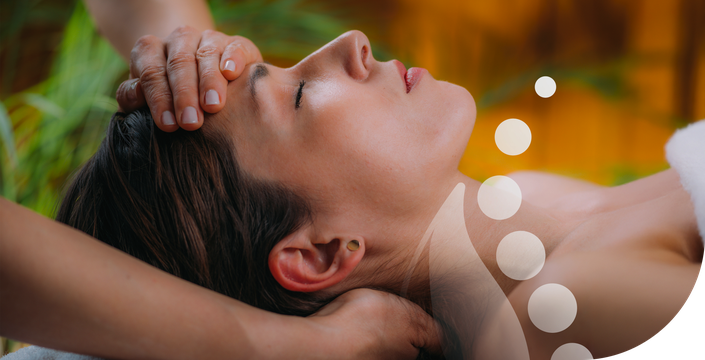
Craniosacral Therapy Certificate Course - 5CEUs
Stand Out as a Therapist with Craniosacral Therapy
Watch Promo
ADD A SPECIALIZED THERAPY CLIENTS VALUE
Add a Specialized Therapy to Your Massage Practice Using a Clear Step-by-Step System
Beginner friendly. Practical. Easy on your body.
WHY THERAPISTS ARE ADDING CRANIOSACRAL THERAPY
Clients are increasingly looking for therapies that feel different from a standard massage session.
Craniosacral Therapy gives therapists a specialized approach that can help clients deeply relax while allowing you to work with less physical strain on your own body.
For many therapists, this becomes a valuable addition that helps:
• Increase client retention
• Create a more premium treatment experience
• Stand out from competitors
• Expand treatment options
• Build stronger word-of-mouth referrals
TRUSTED BY THOUSANDS OF THERAPISTS WORLDWIDE
With over 300,000 online students, Mark Perren-Jones has helped therapists around the world learn practical techniques they can confidently use with clients.
WHAT THIS COURSE IS
This beginner’s certificate course teaches you a simple 3-step Craniosacral Therapy (CST) protocol you can confidently use with massage clients.
The techniques are designed to be practical, beginner friendly, and easy to integrate into real massage sessions.
You’ll learn how to work with the head, spine, sacrum, and nervous system using clear, step-by-step demonstrations.
WHAT YOU’LL LEARN
• Practical craniosacral hand techniques
• Head, spine, and sacrum treatment approaches
• How to integrate CST into massage sessions
• Client positioning and treatment flow
• Full step-by-step demonstrations
• How to confidently begin using CST with clients
THIS COURSE IS IDEAL FOR THERAPISTS WHO WANT TO:
• Expand beyond standard massage treatments
• Add a more specialized therapy to their sessions
• Offer clients a calmer, deeper treatment experience
• Reduce wear and tear on their own body
• Build a practice clients remember and recommend
INCLUDES
• 5 CEUs
• Certificate of Completion
• Lifetime Access
• Workbook/Manual
• Step-by-Step Video Training
START LEARNING CRANIOSACRAL THERAPY TODAY
Your Instructor
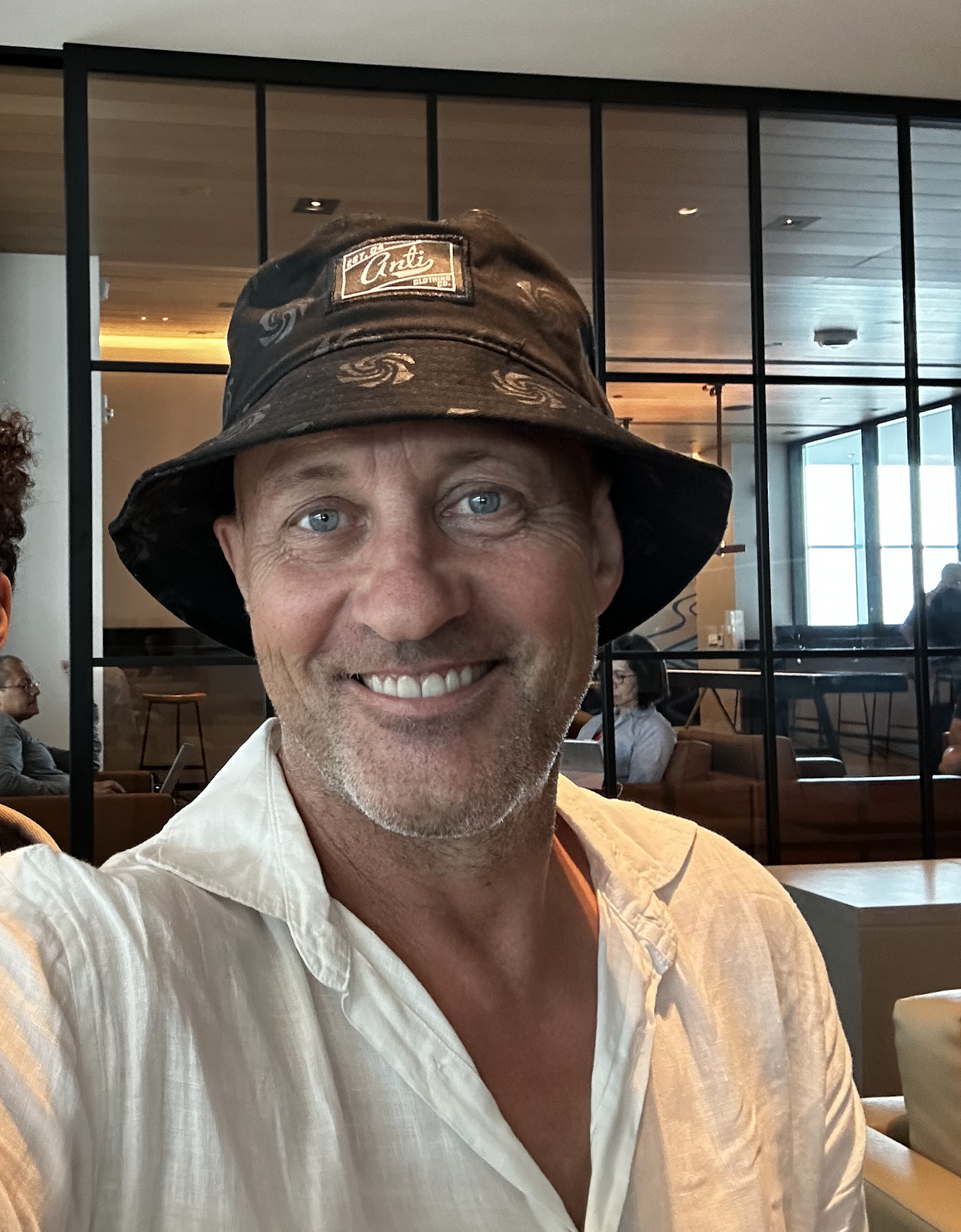
Mark Perren-Jones has over 30 years of hands-on experience in massage therapy, wellness, and pain management. He is the former owner of the award-winning Isla Verde Spa and the founder of the Mark Perren-Jones Spa Training Academy.
Mark now teaches students worldwide, sharing practical, results-based techniques drawn from real clinical and spa experience. His courses focus on what actually works in practice — helping therapists gain confidence, improve results, and avoid common mistakes.
Mark is an approved provider with the NCBTMB (#1805).
Course Curriculum
-
PreviewFirstly, what is it good at treating? How can it help my business? (1:25)
-
PreviewDownload these for your own knowledge and marketing (0:54)
-
StartYou can join over 20,000 students on FB and instagram! (0:33)
-
StartA brief history (4:05)
-
StartA word to the therapists (1:07)
-
PreviewThe balance between biomechanical and biodynamic models (2:09)
-
StartCraniosacral Therapy…What is it Really? (3:36)
-
StartA word about these upcoming lectures (1:03)
-
StartLets do this palpation exercise-the skin, muscles and fascia (8:22)
-
StartLets do this palpation exercise-the synovial joints (6:02)
-
StartLets do this palpation exercise-the pulses (12:20)
-
StartLets do this palpation exercise-alternating between breath and cardio rhythms (7:33)
-
StartThe heart beat awareness exercise (4:09)
-
StartThe repelling hands exercise (5:31)
-
StartThe healing light energy exercise which I love! (6:12)
-
StartA quick look at the anatomy- The cranium (2:58)
-
StartA quick look at the anatomy- The meninges (2:18)
-
StartThe craniosacral rhythm (3:26)
-
StartThe bones and the sutures of the skull palpation exercise (15:51)
-
StartEntrainment-How you use it to heal your clients (5:44)
-
PreviewProof of the craniosacral rhythm (7:02)
-
StartThe craniosacral rhythm palpation exercise (11:59)
-
StartHow we will proceed in the upcoming sections (1:32)
-
StartWe start at specific listening stations on the body (7:33)
-
StartThe 'get them to sleep' challenge (2:55)
-
StartListening Stations-The Feet (8:52)
-
StartListening Stations-The Thighs and Hips (8:50)
-
StartListening Stations-The Respiratory Diaphragm and Shoulders (8:09)
-
StartListening Stations-The Head (Cranium) (19:30)
-
StartHere are some of the possible reasons you had fantastic results already! (7:37)
-
StartSo is it all just placebo? NO, and here is exactly why not. (1:44)
-
StartWelcome to the section on pain science and how it too can apply (2:12)
-
StartDownload these books (0:40)
-
StartSo how is it that people have disc herniations and cartilage tears and no pain? (4:00)
-
StartHow pain is produced in the body and why its important that you know this. (2:40)
-
StartNow that you know this, THIS is your number 1 goal for treatments (1:31)
-
StartIf you have done my gua sha courses before, I have already taught you this. (2:38)
-
StartBe prepared in this lecture to look at treating in a different way! (4:50)
-
StartIf you are still reeling from that last lecture-here is some hard evidence (1:24)
-
StartLets just summarize that so that you are crystal clear (7:33)
-
StartIf someone has had great results before from a type of treatment (1:02)
-
StartIs there a time that you should go heavier? yes. (2:17)
-
StartThe therapeutic Releases and the Still Point (7:25)
-
StartThe Lumbosacral Release (12:27)
-
StartThe Pelvic Diaphragm Release (3:56)
-
StartThe Respiratory Diaphragm Release (3:15)
-
StartThe Thoracic Opening Release (2:25)
-
StartThe Atlanto-Occipital Release (3:30)
-
StartA quick recap on the cranium, the dura mater and the CSR (2:09)
-
StartLets briefly recap and palpate the bones and sutures (9:15)
-
StartThe Frontal Bone release on Yourself (8:09)
-
StartThe Frontal Bone release on Your Clients/Partners (2:11)
-
StartThe Parietal Releases (7:12)
-
StartThe Sphenoid Release (7:45)
-
StartThe Temporal Release (3:49)
-
StartThe Mandible Release (3:53)
-
StartThe Still Point and the CV 4 Technique (5:51)
-
StartCongratulations! (1:59)
-
StartQuiz time
-
PreviewSo, how do I get my certificate? (0:47)
-
StartSo where do you go from here?